
Native Breed
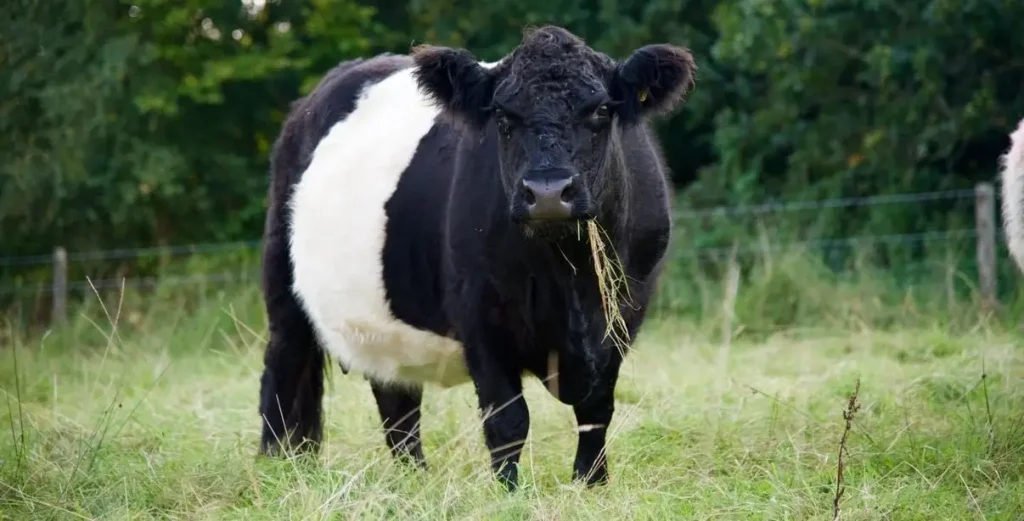
As their Scottish origins would suggest, they are a hardy, native breed. They generally have docile characters and a strong maternal instinct, making them excellent mothers. Their distinctive white stripe sticks out on the landscape and their primitive, guttural mooing can easily be distinguished from the more delicate Jersey cows on the farm.
Habitat Creation & Increasing Biodiversity
Our Belted Galloway cattle play an important role in restoring the culm grassland we are so fortunate to be custodians of. This rare habitat is important in flood prevention, filtering pollution and storing carbon. Our grazing management along with the grazing traits of our native Belted Galloway cattle allow fragile species to flourish. They create micro climates and areas of bare ground through trampling and lying down to rest. The increased plant biodiversity that this behaviour allows has a knock-on effect for other species such as butterflies, moths, bees, birds and mammals.
Naturally Farmed
Our Belties are slow grown and naturally farmed. Born outside in spring time, aligned with the natural cycle of grass growth. The highest quality forage is available to the cow during their lactation peak. They spend their lives outside, free to behave naturally within their herd dynamic finding shelter or shade in amongst hedgerows and woodlands around the farm. In recent years we have been bale grazing over winter, which has helped to improve soil health and structure, as well as the health and welfare of the cattle.
Nutritionally Dense
We are passionate about producing food that tastes good, but more importantly to us, food that has major nutritional and environmental benefits in comparison to a lot of the stuff we find on our supermarket shelves. Our excessive consumption of ultra processed foods and seed oils mean the average western person consumes very high amounts of omega 6 fatty acids and low amounts of omega 3. Omega 6 fatty acids can lead to health issues such as heart disease, cancer and other inflammatory diseases. Omega 3 fatty acids are the ‘good fats’ associated with anti-inflammatory effects and improved heart health, so we need to eat more of these. Pasture fed beef (and milk @tawriverdairy) are high in omega 3 fatty acids. It’s the chlorophyll in plants that contains high levels of omega 3 fatty acids therefore their resulting meat from an animal eating only plants, leaves and grasses is high in omega 3 fatty acids compared to cattle brought inside to be fattened on a grain-based diet.
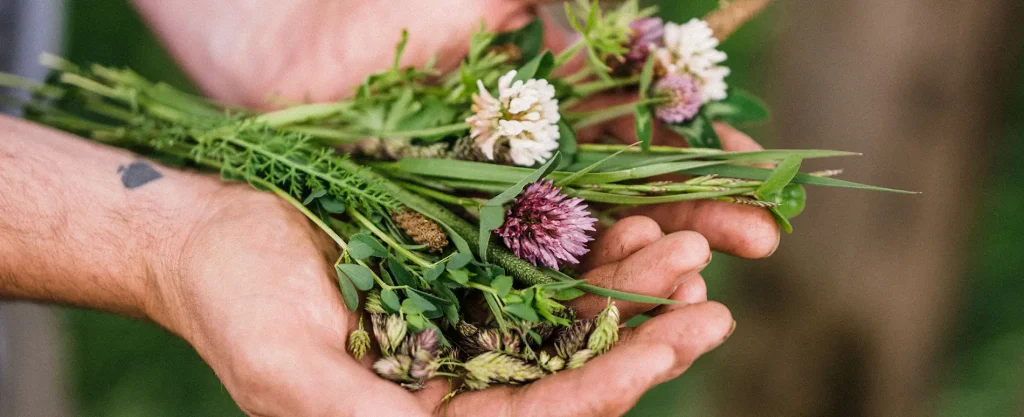
Research has also shown that there are higher levels of conjugated linoleic acid (CLA) in pasture fed beef. CLA has both anti-cancer and anti-inflammatory properties. There are elevated levels of both vitamins A and E as well as other antioxidants in pasture fed beef, which help strengthen the immune system. As our cows are consuming a varied and naturally foraged diet, we believe the resulting beef will include a greater diversity of beneficial vitamins and minerals for human health.
Pasture Fed
Our cattle are fed nothing but pasture year round, whether its strip grazing a river pasture in the spring, extensive conservation grazing a culm grassland area throughout the summer months or bale grazing our locally made meadow hay throughout the winter. They thrive on this. We don’t feed any grains or concentrated feeds. We believe this is the best way to produce beef. No destruction elsewhere to intensively grow animal feed crops, no animal feed production or transportation associated greenhouse gas emissions, no soil degradation from the use of fertilisers or pesticides to produce animal food crops, no habitat loss or biodiversity decline. We believe the way we farm promotes habitat creation and increases biodiversity on the farm.
How to buy our Beltie Beef
All of our nutritious and sustainably farmed produce is currently available to buy from our Moor Taw Honesty Shop Shed at Westacre, just outside Sampford Courtenay and North Tawton by the railway bridge on the B3215 (what3words://skylights.automate.crackles), open 24 hours a day, 7 days a week.
Our sustainable off-grid Moor Taw farm shop will be opening Spring/Summer 2026 and we can’t wait to welcome you!